Mystical Mudras

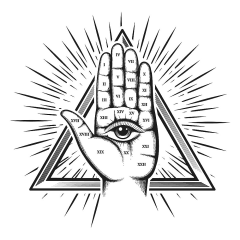
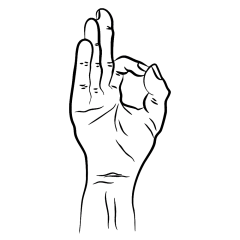
Mudras are symbolic hand gestures used in Hinduism, Buddhism, and to some extent Taoist practices, with a long lineage that predates the historical Buddha. They are often called “authentic seals” because they are believed to seal or affirm a specific spiritual state, invoke divine energies, or unlock inner realities.

  1. #0 The Mystery
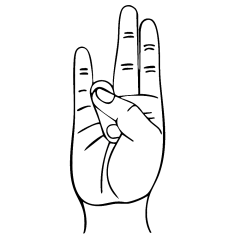
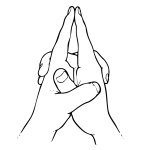
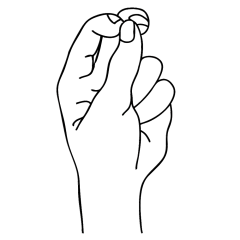
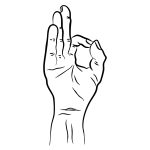
Kṣepaṇa means "to cast off" or "to release" — this mudra clears energetic, emotional, and mental blockages. It is traditionally used to let go of that which no longer serves, including stagnant thoughts, negative emotions, or psychic residue. Yet in its deeper energetic symbolism, it also functions as a conduit for action: a way of grounding inner coherence into outer flow. It channels the distilled clarity of the self (I) into tangible, embodied, shared expression — into the WE, the IT, and the ITS of the world.
  1. #0 The Mystery
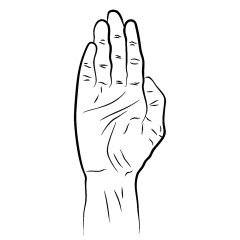
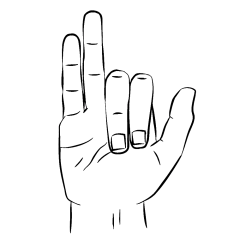
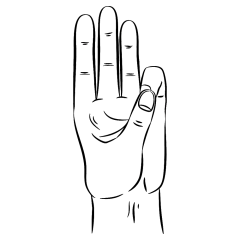
Vishnu Mudra is named after the sustaining deity Vishnu, guardian of harmony and protector of universal order. This mudra embodies personal integrity, energetic protection, and the grounded strength needed to walk one’s path with uprightness. By folding the central fingers (often associated with ego and control) and extending the rest, it forms a symbolic posture of surrendering mental rigidity while standing firm in essence and will.
  1. #0 The Mystery
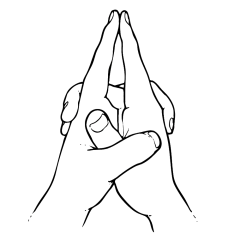
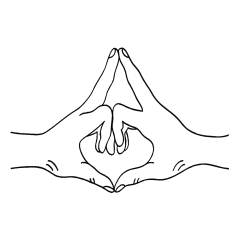
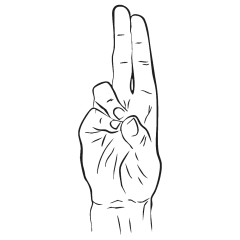
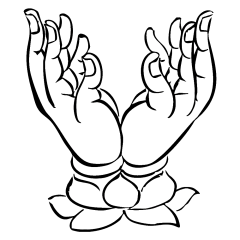
Prana means life force — the subtle energy that animates all living beings. This mudra symbolizes activation of that inner vitality. It is believed to awaken both the root chakra (grounding) and the heart chakra (healing), encouraging the flow of restorative energy throughout the body. Practicing this mudra is a symbolic invitation to vitality — helping you access the body’s intuitive wisdom and make life-affirming choices in areas such as nourishment, rest, and emotional well-being.
  1. #0 The Mystery
Mudras (Sanskrit: mudrā, meaning “seal”, “mark”, or “gesture”) are symbolic hand gestures used in Hinduism, Buddhism, and to some extent Taoist practices, with a long lineage that predates the historical Buddha. They are often called “authentic seals”because they are believed to seal or affirm a specific spiritual state, invoke divine energies, or unlock inner realities.

Login

Welcome to Typer

Brief and amiable onboarding is the first thing a new user sees in the theme.
Join Typer
Registration is closed.